A dedicated home theater works in a room as small as 10 by 12 feet with a 100 inch screen; the ideal is 18 to 22 feet long, 12 to 16 feet wide, with 9 foot ceilings. For the THX 36 degree view, sit about 13 feet from a 120 inch screen (about 11 feet from a 100 inch). Start with the room size calculator, then size the screen, projector and speakers below.
Updated 2026
Quick answer
A dedicated home theater works in a room as small as 10 by 12 feet with a 100 inch screen; the ideal is 18 to 22 feet long, 12 to 16 feet wide, with 9 foot ceilings. THX puts the main seat at a 36 degree viewing angle, about 13 feet from a 120 inch screen.
Free tool · 1 minute
Skip the research: get your full component list.
Enter your room size, speaker layout and budget. Get a projector, screen, speakers, subwoofer, receiver and cables that fit, in about a minute.
π New to this? Start with Home Theater 101. Sizing a TV instead of a projector? Use the screen size by viewing distance chart and our best TVs for home theater.
| Room | Length x width, ceiling | Screen | Seating | Speakers |
|---|---|---|---|---|
| Minimum | 12 x 10 ft, 8 ft ceiling | 100 in | 1 row | 5.1 |
| Typical | 15 to 18 x 12 to 14 ft, 8 to 9 ft | 110 to 120 in | 1 to 2 rows | 5.1.2 or 5.1.4 |
| Ideal | 18 to 22 x 12 to 16 ft, 9 ft or more | 120 in or larger | 2 rows on a riser | 5.1.4, or 7.1.4 if 15 ft or wider |
Seat distance follows the THX 36 degree viewing angle (seating distance of about 1.34 times the 16:9 screen diagonal); Atmos layouts follow Dolby guidelines. Run the room size calculator for your exact numbers.
Enter your screen size, seating rows and Atmos layout and get the minimum and ideal length, width, height and volume in cubic feet.
Every calculator on this page sizes a room around a projector, a screen and a receiver. If you are planning from scratch, this is the entry-level version of that trio, and it is what the default figures are modelled on. Prices change often, so check before buying.
3-chip 3LCD 1080p projector. The straightforward first projector for a room you can actually darken, which is the condition every number here assumes.
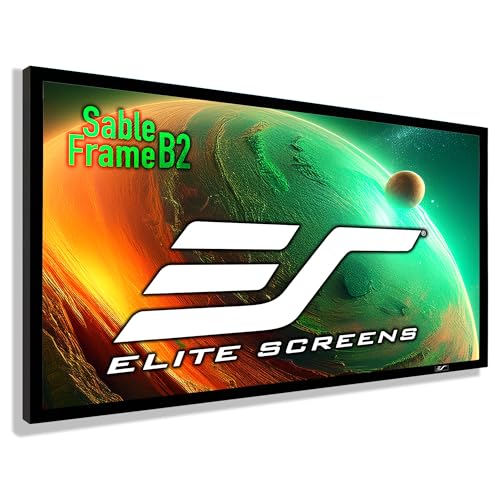
A 120 inch 1.1 gain fixed-frame screen, the diagonal the viewing-distance math lands on for a room in the 15 to 18 foot range.
Start with the home theater screen size calculator to set the diagonal from your seating distance, then the home theater brightness calculator to match projector lumens to that screen. If you settle on a 120 inch screen, a 120 inch screen needs 7.8 to 15.7 feet of throw distance from a standard projector, depending on its zoom range. When it is time to choose hardware, our home theater product reviews cover the projectors, receivers, and subwoofers behind these numbers.
Calculate your ideal screen size using THX and SMPTE cinema standards based on your viewing distance.
Calculate exact lumens needed for your screen size, room conditions, and SDR/HDR content.
Calculate mounting distance and throw ratio for your screen size. Find if you need standard, short throw, or UST.
Size your speakers and subwoofers based on room volume for reference-level audio.
Get exact ceiling speaker positions, heights, and elevation angles for 5.1.2 and 5.1.4 Atmos layouts.
Generate a visual layout with optimal speaker placement and seating positions.
Find the minimum and ideal room dimensions for your home theater based on screen size, seating, and acoustics.
Compare options if you're undecided between a large TV and projector setup.
Get a complete, timbre-matched shopping list - every speaker, sub, and receiver for your room.
Dedicated theater rooms should be pitch black or near-black for optimal contrast. Blackout curtains, dark walls (dark grey or burgundy), and minimal light bleed create the cinema environment projectors need to shine.
Bass traps in corners, absorption panels at first reflection points, and diffusion on the rear wall transform audio quality. Even basic treatment dramatically improves dialogue clarity and surround immersion.
THX recommends a 36Β° viewing angle. For a 120" screen, sit about 13 feet back (about 16 feet for the SMPTE 30Β° view). Avoid placing the primary seat exactly at room center where bass nulls typically occur. The THX viewing angle is the share of your horizontal field of vision the screen fills from the main seat, so 36Β° means the picture spans 36 degrees of what you see.
Researched from published specifications and standards, not hands-on testing. Not professional installation advice. Prices change often.
18 to 22 feet long, 12 to 16 feet wide and 9 feet or more high is the ideal range for a 120 inch screen, two rows of seats and a 5.1.4 Atmos layout. A room as small as 10 by 12 feet still works with a 100 inch screen, one row and 5.1 sound.
A workable first build starts at about $500 with a soundbar and an existing TV. A budget of about $2,000 buys a 75 inch TV or a projector with a 100 inch screen plus 5.1 surround, and the starter trio for a dedicated room on this page (Epson Home Cinema 1100 projector, 120 inch screen and a 7.2-channel Denon receiver) covers the core of a projector room before speakers and seating. For a line-item estimate, the home theater cost calculator (Build Your System) returns a speaker, subwoofer and receiver list for your room at the budget tier you choose.
A dedicated theater can work in rooms as small as 10' x 12' with a 100" screen. Ideal dimensions are 18-22' long, 12-16' wide, with 9'+ ceilings. Larger rooms allow bigger screens and more immersive audio.
For dedicated dark rooms, projectors win. You get 100-150" screens at a fraction of equivalent TV cost, true cinema aspect ratios, and the authentic movie experience. TVs excel in bright, multi-use living rooms.
Start with 5.1 (L/C/R + 2 surrounds + subwoofer). This handles 95% of content beautifully. Add Atmos height speakers (5.1.2 or 5.1.4) for immersive object-based audio if your receiver supports it.
For light-controlled rooms, matte white (1.0-1.1 gain) provides the most accurate colors. Gray screens (0.8-0.9 gain) help with contrast in rooms with some ambient light. ALR (ambient light rejecting) screens are for rooms with uncontrolled light sources.
Extremely important - 60-70% of movie audio comes through the center channel, including all dialogue. Invest in a quality center speaker that matches your L/R speakers. Avoid tiny, thin center channels that can't reproduce voice accurately.
Lamp projectors cost less upfront but require bulb replacements ($100-300) every 3,000-5,000 hours. Laser projectors cost more but last 20,000+ hours with no maintenance. For daily use, laser often has lower total cost of ownership.
Recommended. Built-in smart features on projectors are often slow and limited. A dedicated streaming device (Apple TV 4K, NVIDIA Shield) provides a better interface, faster updates, and full app support including lossless audio passthrough. Our Apple TV 4K vs Roku Ultra comparison picks between the two boxes most projector owners choose.
9 feet is ideal for most setups. It allows proper screen placement, adequate space for ceiling-mounted projectors, and room for Atmos height speakers. 8-foot ceilings work but may limit screen size and projector options.
For new construction, run conduit through the ceiling. For existing rooms, use cable raceways along ceiling edges or in-wall cable management. For 4K/120Hz, use fiber optic HDMI cables for runs over 15 feet to avoid signal issues.
4K projectors are now affordable and worth it for screens 100" and larger at typical seating distances. The difference is visible in fine detail, text, and HDR content. 1080p is acceptable for smaller screens or tighter budgets.
Hand-picked gear for every budget, verified against current listings. Prices change often, so check before buying.

3-chip 3LCD 1080p home theater projector. A straightforward first projector for a room you can darken.

Fixed-frame screen with excellent value. 1.1 gain matte white surface, easy assembly.

7.2 channel receiver rated 75W per channel with 8K UHD HDMI. Handles a 5.1.2 Atmos layout.

True 4K projector with excellent color accuracy and HDR-PRO tone mapping for movies.

Premium fixed-frame screen with CineWhite material. Thin bezel, excellent flat tensioning.

Reference Premiere centre channel in ebony. The centre carries most of the dialogue in a film, so it is the single speaker worth over-buying.

Native 4K SXRD laser projector with exceptional contrast and HDR performance.

9.4 channel AV receiver with HEOS multiroom streaming. Enough channels for a full 7.1.4 Atmos layout in a dedicated room.

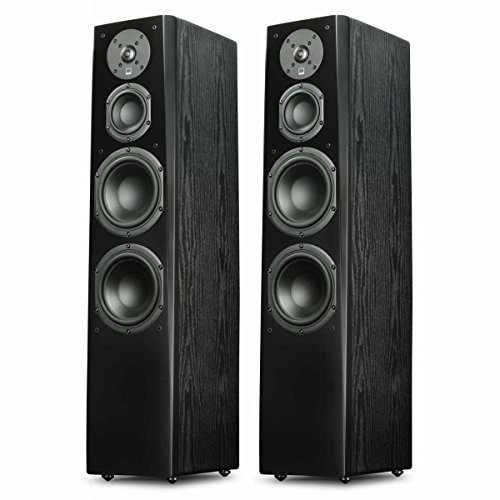
SVS Prime Tower floorstanders sold as a matched pair in premium black ash. A full-range front left and right that does not need a subwoofer to sound complete, though it rewards one.
Explore related setups and technologies
Add immersive height channels to your home theater with Atmos speaker placement guides.
Two-channel audio setup for music enthusiasts - complement your theater with a dedicated listening space.
Read our comprehensive 3,500-word guide covering every aspect of home theater design.